Early Career
My journey in design began with three formative experiences that shaped my approach to user experience, visual design, and the intersection of technology and creativity. From WordPress themes to digital agencies, these early roles taught me the fundamentals of design thinking and user-centered design.
Designer
2009 - 2014

Germany & Remote
Worked with international teams and clients
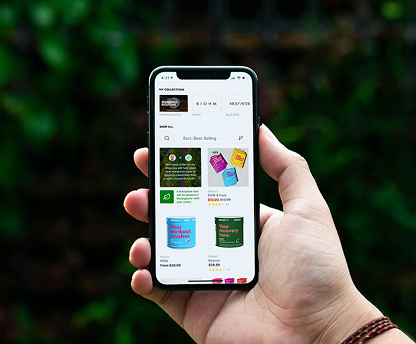
These early experiences taught me that great design isn't just about aesthetics—it's about understanding users, solving real problems, and creating experiences that people actually want to use.
Starting my career in the late 2000s meant working in a rapidly evolving digital landscape. WordPress was becoming the dominant CMS, responsive design was emerging as a necessity, and the line between web design and development was beginning to blur. I had to learn fast and adapt constantly.
Each role taught me different aspects of design: YooTheme showed me the power of systematic design and component thinking, Kollektiv Mayrak taught me about user research and client relationships, and Tanner gave me experience with complex enterprise applications and design systems.
My main areas of work:
 WordPress Design
UI/UX Design
Frontend Development
Brand Design
User Research
Design Systems
YooTheme
YooTheme was one of the most successful WordPress theme companies of its time, known for creating beautiful, functional themes that developers and designers loved to use. Working there taught me the importance of systematic design thinking and the power of creating reusable components.
My role involved designing WordPress themes that needed to work across thousands of different websites and use cases. This meant thinking in systems—creating flexible layouts, customizable color schemes, and modular components that could adapt to any content or brand.
The challenge was balancing flexibility with ease of use. Users needed to be able to customize everything, but the interface couldn't become overwhelming. I learned to design with constraints and create intuitive customization options that guided users toward good design decisions.

The Challenge
Creating WordPress themes that could work for any type of website—from corporate sites to personal blogs to e-commerce stores—while maintaining high design standards and ease of use. Each theme needed to be flexible enough to adapt to different content and branding, but simple enough for non-technical users to customize.
The WordPress ecosystem was still evolving rapidly, with new features and standards emerging constantly. I had to stay ahead of trends while ensuring backward compatibility and cross-browser support. The themes needed to work perfectly across different screen sizes, browsers, and WordPress versions.
Balancing design aesthetics with technical constraints was a constant challenge. Beautiful designs had to be achievable with clean, semantic HTML and CSS that performed well and were accessible to all users.
The Solution
I developed a systematic approach to theme design, creating a component library that could be mixed and matched across different themes. Each component was designed to be flexible and reusable, with clear customization options that guided users toward good design decisions.
The customization interface used progressive disclosure to hide advanced options until needed, while keeping the most common customizations easily accessible. I created visual previews and live editing capabilities that let users see changes in real-time.
The result was a series of themes that were both beautiful and functional, with customization options that empowered users to create unique designs without breaking the underlying structure or performance.
Kollektiv Mayrak
Kollektiv Mayrak was a boutique digital agency that specialized in creating unique, custom solutions for clients who wanted something different from the standard WordPress themes and templates. This was where I learned the importance of user research and client relationships in the design process.
Working directly with clients taught me how to translate business requirements into design solutions. I learned to conduct user interviews, create personas, and design experiences that solved real problems rather than just looking good. Each project was a learning opportunity to understand different industries and user needs.
The agency environment was fast-paced and collaborative, requiring me to work closely with developers, project managers, and clients. I learned to communicate design decisions clearly and defend my choices with user research and design principles.
- Custom website design and development
- User research and persona development
- Client consultation and requirements gathering
- Brand identity and visual design
- Responsive design and cross-browser testing
- Project management and client communication
Tanner
Tanner was a software company that built complex enterprise applications for financial services and healthcare. This role introduced me to the world of enterprise UX design, where usability and accessibility were critical, and the user experience had to work for thousands of users with different skill levels and needs.
The applications I worked on handled sensitive data and complex workflows, requiring careful attention to security, compliance, and error prevention. I learned to design for edge cases and create interfaces that guided users through complex processes without overwhelming them.
This experience taught me the importance of design systems and consistency in large applications. I created component libraries and style guides that ensured a cohesive experience across different modules and features, while maintaining the flexibility to adapt to different use cases.
- Enterprise application design
- Complex workflow and process design
- Design system and component library creation
- Accessibility and compliance requirements
- User testing and validation
- Cross-functional team collaboration
Outcome
These early career experiences laid the foundation for everything that followed. They taught me that great design is about understanding users, solving real problems, and creating experiences that people actually want to use. The combination of systematic thinking, user research, and technical knowledge became the core of my design philosophy.
Working across different industries and company sizes gave me a broad perspective on design challenges and solutions. I learned to adapt my approach based on the context, whether it was creating flexible WordPress themes, custom agency solutions, or complex enterprise applications.
Most importantly, these experiences taught me the value of continuous learning and adaptation. The digital landscape was changing rapidly, and I had to stay curious and open to new ideas, tools, and approaches. This mindset has served me well throughout my career.
- Foundation in systematic design thinking
- Experience across different industries and company sizes
- Strong user research and client relationship skills
- Technical knowledge and implementation experience
- Design system and component library expertise
- Adaptability and continuous learning mindset